call (778) 403-0889
email staff@surreytennistitans.com

Do’s and Don’ts for Sports Parents: How to Support Your Child’s Athletic Journey

Show Genuine Interest and Support

Show Genuine Interest and Support

  • Be Present and Engaged: Show enthusiasm for your child's participation by helping them get to practice, attending competitions, and asking about their experiences. Your involvement demonstrates that you value their effort and dedication.

  • Foster a Healthy Perspective: Help your child understand that success and failure are part of the game. Emphasize that effort and improvement are more important than just winning or losing.

  • Reward Effort Over Results: Focus on recognizing and praising the hard work your child puts into their sport, rather than just the outcomes. This encourages a growth mindset and helps them stay motivated.

  • Address Behavioral Issues: If your child exhibits unacceptable behavior during practice or competitions, step in and address it constructively. Ensuring respectful conduct supports a positive environment for everyone involved.

  • Respect Their Space: Understand that occasionally, your child might need a break from sports. Allowing them some space helps prevent burnout and keeps their interest in the sport alive.

Do’s for Yourself

  • Find Joy in Their Success: Take pleasure in your child’s achievements, but avoid letting their performance define your self-worth. Your enjoyment should come from their growth and happiness.

  • Maintain a Positive Attitude: Look relaxed, calm, and energized when watching your child compete. Your demeanor can impact how they feel and perform on the court.

  • Keep Your Own Balance: Maintain a life outside of your child's sports activities. Having your own interests and pursuits helps you stay balanced and supportive.

Do’s with Other Parents

  • Build Connections: Socialize with other parents at events. This can make attending competitions more enjoyable and foster a supportive community.

  • Volunteer and Contribute: Offer your time and effort to support youth sports. Your involvement helps ensure the smooth running of events and programs.

  • Promote Positive Behavior: Work together with other parents to uphold appropriate behavior at practices and competitions. A collective effort fosters a respectful environment.

Do’s with Coaches

Trust Their Expertise: Leave coaching to the professionals. Support the coaches and respect their methods for training and developing your child.

  • Communicate Openly: Share relevant information about your child with their coach and stay informed about their progress. This partnership helps in understanding and supporting your child’s needs.

  • Support Their Role: Help coaches in their role by being cooperative and understanding. This partnership can enhance your child's experience and development.


Don’ts for Yourself

  • Don’t Tie Your Self-Esteem to Their Success: Avoid basing your self-worth on your child’s sports performance. Your value should not be dependent on their achievements.

  • Don’t Overemphasize Performance: Care about their enjoyment and growth more than their competitive results. Excessive focus on outcomes can create unnecessary pressure.

Don’ts with Other Parents

  • Don’t Create Conflict: Avoid making enemies or gossiping about other parents. Constructive communication is key to a positive sports community.

  • Don’t Criticize Publicly: Address concerns directly and privately with other parents rather than making issues public.

Don’ts with Coaches

  • Don’t Interfere: Refrain from coaching your child or contradicting the coach’s methods. Respect their professional role and focus on supporting their efforts.

  • Don’t Work Against Them: Ensure that your goals align with the coach’s philosophy. A united front benefits your child’s experience and development.

Don’ts with Your Children

  • Don’t Compare to Others: Avoid comparing your child's performance with others. Focus on their personal growth and achievements.

  • Don’t Use Negative Emotions: Refrain from showing frustration or disappointment publicly. Your support should be consistent and encouraging.

  • Don’t Push Unnecessarily: Encourage your child, but avoid pressuring them to meet expectations. Allow them to enjoy the sport and set their own goals.
Why Tennis is the Perfect Sport for Kids: Top Reasons to Enroll Your Child

A Path to an Active Lifestyle

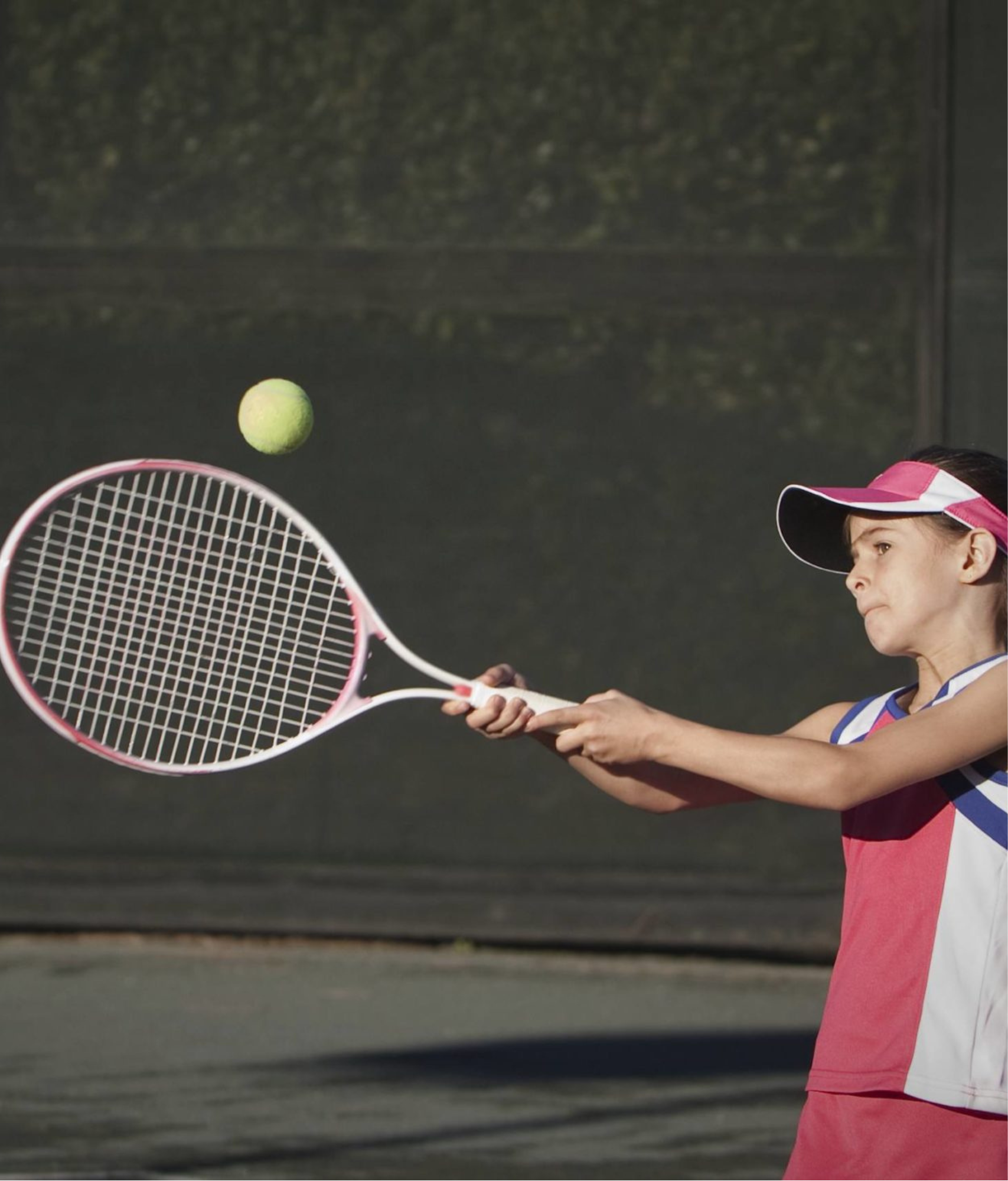
Tennis is more than just a fun game; it’s an excellent way for kids to stay active and healthy. The sport encourages cardiovascular fitness, enhances strength, and promotes overall physical well-being. Regular play helps children stay in shape while enjoying themselves, making it a great alternative to sedentary activities.

Improving Coordination and Skills

Playing tennis helps children develop crucial hand-eye coordination, balance, and quick reflexes. These skills not only improve their game but also benefit them in other sports and daily activities. Tennis challenges kids to react swiftly and accurately, fostering a set of physical abilities that can translate into various aspects of their lives.

Fun and Enjoyment

One of the most appealing aspects of tennis is how much fun it can be. Kids naturally gravitate towards activities that are enjoyable, and tennis provides a dynamic and exciting way for them to stay active. The joy of hitting a ball and competing on the court keeps children motivated and enthusiastic about staying physically active.

Building Mental Toughness

Tennis teaches kids valuable mental skills such as focus, resilience, and pressure management. It’s not just about physical prowess; children learn how to handle challenges and remain composed under stress. These lessons in mental toughness can be beneficial both on and off the court, helping them face life’s challenges with confidence.

Enhancing Social Skills

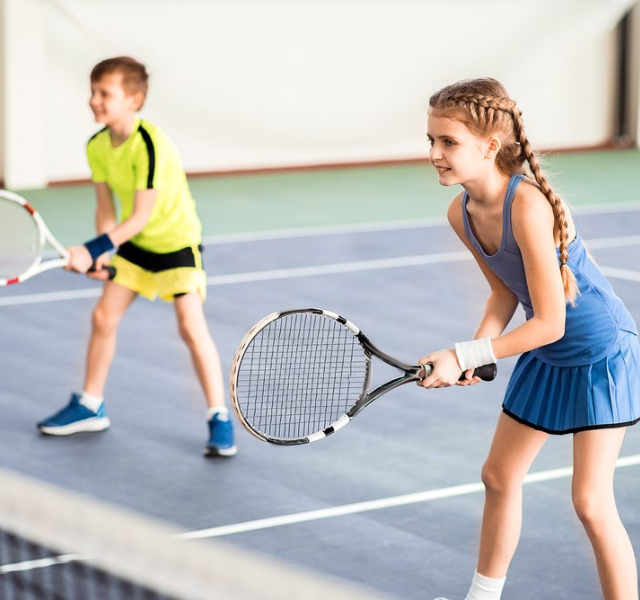
Tennis is a social sport that often involves playing doubles or competing against opponents. This interaction helps children develop teamwork, sportsmanship, and conflict resolution skills. Building positive relationships and learning to work with others are key benefits of participating in tennis, contributing to their overall social development.

Fostering Discipline and Time Management

Regular tennis practice requires children to balance their sport with other responsibilities, teaching them discipline and time management. This balance helps kids understand the importance of setting goals and managing their time effectively, skills that are valuable throughout their lives.

Encouraging Healthy Habits

Engaging in tennis promotes a healthy lifestyle and often leads to better nutritional choices. The sport instills a love for physical activity, encouraging kids to maintain active habits as they grow older. This foundation of healthy living can contribute to long-term well-being and an active lifestyle.

Choosing the Right Junior Tennis Racket: A Parent’s Guide to Finding the Perfect Fit

Why Junior Racket Size Matters

Selecting the right tennis racket for your child is crucial for their development and enjoyment of the game. A racket that's too big or heavy can hinder their progress and cause discomfort, while one that’s too small may not provide the support they need. For young players, choosing the correct racket size can help them improve their skills, feel more confident on the court, and have a lot more fun playing tennis.

  • Proper Technique Development
  • Comfort and Control
  • Enhanced Performance
  • Injury Prevention
  • Confidence Boost

Understanding Racket Sizes Junior tennis rackets come in various sizes, designed to match different age groups and skill levels. The general guideline is that smaller rackets are better for younger children, while larger ones are suitable for older kids who are more advanced. Rackets are typically measured by their length, which ranges from 19 to 26 inches for juniors. As a rule of thumb, the right racket length for your child should allow them to comfortably reach the ground with the tip of the racket while standing upright.

Choosing the Right Grip Size Grip size is another important factor when selecting a junior racket. The grip should fit comfortably in your child’s hand, allowing them to hold the racket securely without straining. To measure grip size, you can use a simple method: have your child hold the racket with their index finger placed between their fingers and the palm of their hand. If their index finger fits comfortably, the grip size is likely appropriate. If not, you might need a different size to ensure a proper fit.

Consider the Racket’s Weight The weight of the racket can significantly impact your child's performance and comfort. Lighter rackets are generally easier for younger players to handle, helping them develop proper technique without straining their muscles. As your child grows and gains strength, you can gradually transition to heavier rackets that provide more power and control. It's important to choose a racket weight that balances ease of use with the ability to grow into more advanced play.

Involve Your Child in the Selection Involving your child in the racket selection process can make a big difference. Let them hold and test different rackets to see which one feels best for them. Comfort and confidence are key, so choose a racket that your child enjoys using and feels comfortable swinging. Many tennis stores offer demo rackets, so you can try out different options before making a final decision.

Maintaining the Racket Once you’ve chosen the perfect racket, proper maintenance is essential for keeping it in good condition. Regularly check for any signs of wear or damage, and make sure the strings are in good shape. Replacing the grip or strings when needed will help ensure that the racket continues to perform well and that your child remains comfortable and confident on the court.

In Conclusion Finding the right junior tennis racket involves considering size, grip, weight, and comfort to ensure it suits your child’s needs and helps them enjoy the game. By involving your child in the selection process and paying attention to these factors, you can help them develop their skills and love for tennis.

Choosing the Perfect Grip Material for Your Tennis Racket: A Guide for Young Players

1. Why Grip Material Matters

When it comes to playing tennis, the grip of your racket is more important than you might think. It’s not just about holding onto your racket—it's about how comfortable you feel and how well you can control your shots. For young players, choosing the right grip material can make a huge difference in your game. Whether you're a beginner or looking to improve your skills, understanding the different types of grip materials will help you play better and enjoy the game even more.

2. Leather Grips: Classic and Durable

Leather grips have been around for a long time and are known for their durability. They offer a traditional feel and can provide a solid, firm hold on your racket. Leather grips are great for players who prefer a more classic, sturdy feel in their hand. They tend to last longer than many synthetic options and can help you maintain consistent control over your racket. However, leather grips can sometimes feel a bit rigid, which might not be the best choice if you’re looking for something softer and more cushioned.

3. Synthetic Grips: Comfortable and Versatile

Synthetic grips are a popular choice among young players because they offer a lot of comfort and variety. Made from materials like polyurethane or rubber, synthetic grips are softer and provide extra cushioning, which can be easier on your hands during long matches. They also come in a range of textures and colors, so you can pick one that not only feels good but also matches your personal style. Synthetic grips can absorb sweat better than leather grips, which helps keep your hands from slipping during intense rallies.

4. Finding the Right Grip for Your Style

Choosing between leather and synthetic grips depends on your personal preference and playing style. If you like a firm, classic feel and don’t mind a bit of rigidity, leather grips could be the way to go. On the other hand, if you want something that’s soft, cushioned, and easier to manage, synthetic grips might be a better fit. It’s important to try out different grips and see what feels best in your hand. Many tennis stores allow you to test different grips before you make a decision.

5. Caring for Your Grip

No matter which grip material you choose, taking care of your racket grip is crucial for maintaining its performance. For leather grips, regular cleaning and conditioning can help keep them in good shape. Synthetic grips should be kept clean and dry to prevent them from becoming slippery. Replacing your grip when it starts to wear out is also important, as a worn grip can affect your control and comfort on the court.

In Conclusion

Selecting the right grip material for your tennis racket can have a big impact on your game. By understanding the differences between leather and synthetic grips, you can make a choice that enhances your playing experience. Remember, the best grip is one that feels comfortable and suits your style of play.

So, experiment with different options and find the grip that helps you play your best game on the court!